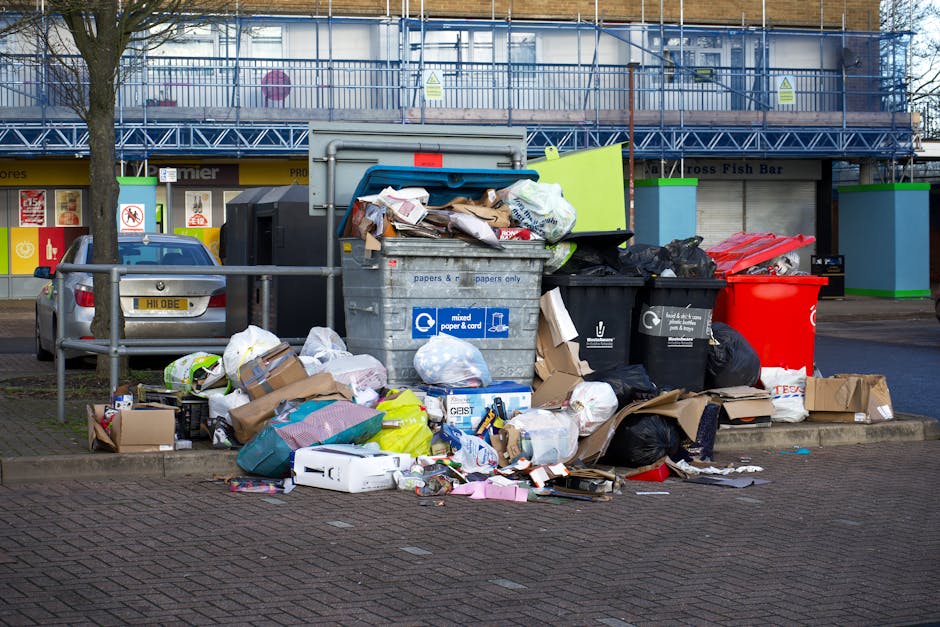
Gunnersbury Park waste clearance tips for locals
If you live near Gunnersbury Park, waste clearance can feel oddly complicated for something so ordinary. One week it is a broken wardrobe, the next it is garden cuttings, a few bags after a flat sort-out, or builders' rubble that has been sitting by the back door far too long. This guide to Gunnersbury Park waste clearance tips for locals is here to make the job simpler, safer, and far less stressful.
You will find practical steps, common mistakes, and a sensible way to decide whether to handle the clearance yourself or bring in help. We will also cover recycling, compliance, and the little details that matter in real life - because, truth be told, waste clearance is rarely about the waste alone. It is about time, access, neighbours, parking, and not wanting a pile of stuff lingering by the hallway for another week.
Table of Contents
- Why Gunnersbury Park waste clearance tips for locals Matters
- How Gunnersbury Park waste clearance tips for locals Works
- Key Benefits and Practical Advantages
- Who This Is For and When It Makes Sense
- Step-by-Step Guidance
- Expert Tips for Better Results
- Common Mistakes to Avoid
- Tools, Resources and Recommendations
- Law, Compliance, Standards, or Best Practice
- Options, Methods, or Comparison Table
- Case Study or Real-World Example
- Practical Checklist
- Conclusion
- Frequently Asked Questions
Why Gunnersbury Park waste clearance tips for locals Matters
Waste clearance matters more than people expect. Around Gunnersbury Park, homes tend to sit in a mix of flats, terraces, converted buildings, and family houses. That means clearance jobs can vary wildly. A small flat clearance may need careful stair carrying and parking planning, while a garden tidy-up can produce awkward, mixed waste that needs sorting before it leaves the property.
For locals, the big issue is usually not just disposal. It is logistics. Where will the waste go? Is there enough space to sort it? Can bulky items be lifted safely? Will the clearance be done quietly enough for neighbours and shared entrances? These are the things that separate a smooth job from a messy one.
There is also the environmental side. The better you sort items, the more likely reusable furniture, metal, wood, cardboard, and green waste can be separated properly. If you want a broader overview of how responsible disposal is handled, the page on recycling and sustainability is a useful companion read.
Practical takeaway: the best clearance is rarely the fastest one. It is the one that protects your time, respects your neighbours, and keeps as much as possible out of general waste.
How Gunnersbury Park waste clearance tips for locals Works
At a practical level, waste clearance usually follows a simple pattern: identify what needs removing, separate what can be reused or recycled, arrange access, and choose a removal method. Sounds basic. In reality, the awkward part is usually the sorting.
Here is how it tends to work for local households and small businesses near Gunnersbury Park:
- Assessment: You look at the items and decide whether they are bulky, hazardous, heavy, reusable, or mixed waste.
- Sorting: Items are separated into categories such as furniture, garden waste, builders' waste, general rubbish, or office contents.
- Access planning: You think about stairs, lifts, parking, timing, and whether anything needs dismantling first.
- Removal: The waste is carried out, loaded safely, and taken for appropriate disposal, reuse, or recycling.
- Final sweep: The space is checked, so you are not left with screws, dust, or one annoying bag in the corner that somehow escaped everyone's attention.
For larger home jobs, it can help to think in rooms rather than item types. A loft, garage, or spare room tends to hide more than you remember. If that sounds familiar, the guides on loft clearance and garage clearance are closely related and worth a look.
Local context matters too. If the property sits on a busy road or near restricted parking, a job that seems quick on paper may need more careful timing. That little detail can save a lot of stress on the day.
Key Benefits and Practical Advantages
A well-planned clearance does more than create space. It makes the whole home or premises feel easier to live in. And after a while, that matters more than people think.
Less clutter, less friction
Clutter creates small daily annoyances. You trip over it, clean around it, move it from room to room, and promise yourself you will deal with it later. Clearing it properly removes that mental background noise. A tidy hallway or spare room can feel strangely calming, even before you have finished unpacking the rest.
Safer movement through the property
Bulky waste, loose boards, broken furniture, and stacked bags increase the risk of trips and strained backs. This is especially true in older buildings or narrow stairwells. A good clearance reduces that risk quickly.
Better use of reusable items
Not everything needs to become waste. A table, chair, cabinet, or appliance may still have life left in it. If items are separated early, it becomes easier to choose furniture reuse, repair, or proper disposal. That is where services like furniture clearance and furniture disposal can be particularly helpful depending on condition.
Less waste sent to the wrong place
Mixed waste is harder to manage well. Sorting items beforehand usually improves recycling outcomes and keeps disposal more efficient. It also makes quoting simpler if you are arranging a collection service.
Reduced stress for shared properties
If you live in a flat, maisonette, or converted house, keeping waste out of communal areas is a genuine courtesy. Neighbours notice. Building managers notice. And let's face it, no one enjoys a corridor that looks like a temporary skip.
Who This Is For and When It Makes Sense
This kind of clearance advice is useful for a few different people, not just one type of homeowner. The local situations vary, but the pain points are often similar.
- Homeowners clearing a room, loft, garage, shed, or entire property.
- Renters who need to remove unwanted furniture or rubbish before moving out.
- Landlords preparing a property for new tenants.
- Small businesses shifting office furniture, packaging waste, or archive clutter.
- Garden owners dealing with pruning waste, old plant pots, soil, or broken outdoor furniture.
- Builders and renovators who need leftover materials removed safely.
It makes sense to clear waste when it starts affecting daily use of the space. That might be a blocked passageway, a full shed, a room you cannot properly use, or a pile of renovation waste that is starting to feel permanent. If the items are too large for normal household handling, or if there are too many trips to make it worth your time, a professional removal approach becomes much more practical.
For properties with a wider clear-out need, a broader home clearance or house clearance can be more efficient than trying to tackle each room separately. That is often the turning point.
Step-by-Step Guidance
Here is a sensible process locals can use. It is simple, but the order matters.
1. Walk the space slowly
Start with a full walkthrough and write down what needs to go. Do not guess. Open cupboards, check under tables, and look behind doors. People always miss one awkward item. Always.
2. Separate the waste into clear groups
Use broad categories first:
- Furniture
- Garden waste
- Builders' waste
- General household rubbish
- Electrical items
- Reusable or donate-worthy items
Keeping groups distinct makes the rest easier. It also helps avoid accidental mixing, which is where problems usually start.
3. Decide what can be reused
If something still works, or could be used by someone else, set it aside. You do not need to overthink every object. But a quick honesty check is useful: would you buy it again? If not, maybe it belongs in the clearance pile. A bit harsh, but effective.
4. Measure awkward items
Check widths of doorways, stair turns, and lift openings. This is especially important for wardrobes, sofas, desks, and washing machines. A piece that looks manageable in a room can become awkward the moment it meets the stairwell.
5. Think about access and timing
Ask yourself: where will the vehicle stop, how far is the carry distance, and what time of day is easiest? In a busy local street, the right time slot can save half the trouble.
6. Protect floors and walls
Use blankets, boards, or simple floor protection if you are moving heavy items through tight spaces. One scuffed wall can be more annoying than the waste itself.
7. Remove in the right order
Take out big items first, then bags and loose waste, then finish with a sweep-up. This keeps the route clear and reduces the risk of tripping over small stuff while carrying something heavy.
8. Confirm disposal route
Before anything leaves the property, be clear on where it is going. Reuse, recycling, disposal - each has its place. If you need a more general overview of removal options, the service information on waste removal is a practical place to begin.
Expert Tips for Better Results
These are the small things that make a clearance job feel smoother. Not dramatic, just effective.
- Book around your day, not against it. If you know school runs, deliveries, or work calls are coming up, plan the clearance around them. Trying to squeeze it into a chaotic day usually backfires.
- Keep a "maybe" pile separate. It helps you avoid throwing away something useful in a rush. A little pause can save regret later.
- Take photos before the job starts. Not for show, just for clarity. It helps if there is a dispute about what was there or what should be removed.
- Use the right service for the job. A garage full of mixed items is different from a tidy office strip-out. If the contents are business-related, office clearance or business waste removal may be the better fit.
- Do not wait until the waste becomes weather-beaten. Cardboard goes soft, garden piles get soggy, and broken furniture becomes less pleasant to handle after a wet spell. London weather has a habit of doing that, obviously.
- Ask about safety practices. If you are hiring help, make sure handling and loading are done properly. A good operator should be able to explain how they manage heavy lifting and transport. For more on that mindset, the page on health and safety policy gives a useful sense of the standard to expect.
One more thing: if the job includes a lot of old furniture, separating it early can make the process much cleaner. That tends to save time on both sides.
Common Mistakes to Avoid
Most clearance headaches come from a few recurring mistakes. Once you know them, they are easy to avoid.
Leaving sorting until the last minute
If everything is dumped into one pile, you will spend extra time untangling it later. Mixed waste slows everything down. It also makes it harder to spot reusable items.
Underestimating heavy items
A single sofa, broken freezer, or stack of wet garden waste can be more awkward than a whole room of lighter clutter. Heavy lifting is where injuries happen. If something feels borderline, treat it as borderline.
Ignoring shared access rules
In flats and converted properties, hallways and entrances matter. Waste left outside a front door, even briefly, can upset neighbours or breach building rules. If you live in a smaller property with limited access, the flat clearance approach is often more suitable than a general tidy-out.
Mixing hazardous or awkward items with general waste
Some items need special handling. That includes things like certain electrical items, chemicals, paints, and anything sharp or leaking. Do not just toss them in with household bags and hope for the best. That is a bad idea in any postcode, really.
Forgetting the post-clearance clean-up
Once bulky items are gone, the floor often reveals dust, screws, nails, or debris. Leaving that behind can make a space feel only half cleared. A final sweep matters.
Choosing speed over fit
The cheapest-looking option is not always the best value. If access is tight, the waste is mixed, or you need careful handling, the right service matters more than the quick one.
Tools, Resources and Recommendations
You do not need a warehouse full of gear to clear waste properly, but a few simple tools make life easier.
| Tool or resource | Why it helps | Best used for |
|---|---|---|
| Heavy-duty bags | Safer handling of loose rubbish and smaller mixed items | Household waste, loose clearance items |
| Gloves | Protect hands from splinters, dirt, and sharp edges | General sorting and lifting |
| Tape measure | Checks whether furniture will fit through doors or stairs | Sofas, wardrobes, appliances |
| Labels or sticky notes | Makes sorting quicker and more consistent | Room-by-room sorting |
| Protective sheets | Reduces damage to floors and walls | Bulky item removal indoors |
| Loading plan | Helps sequence items so the job stays tidy | Any sizeable clearance |
For more practical guidance on the right service mix, the service pages for garden clearance, builders' waste clearance, and garage clearance can be useful depending on what you are dealing with. Different spaces create different waste patterns, and that matters more than people think.
If you are comparing providers, it also helps to look at pricing clarity, payment security, and what is included. The supporting pages on pricing and quotes and payment and security are good trust signals to review before you book anything.
Law, Compliance, Standards, or Best Practice
Waste clearance in the UK is not just a matter of lifting and loading. Responsible handling matters, especially if the waste includes mixed household items, business contents, or materials from a renovation.
As a local resident, the safest general rule is simple: make sure waste is passed to someone who can handle it properly, and keep a sensible record of what was removed and where it went if you are arranging a service for a larger job. That is especially helpful for landlords, businesses, and anyone dealing with tenancy changeovers or office moves.
Best practice also means being careful with potentially risky materials. If you are unsure whether something counts as hazardous, treat it cautiously. Do not rely on guesswork. That is one of those moments where a slower approach is better than a clever one.
In the same way, any provider should be clear about their handling processes, complaint route, and general terms. Those details may feel dull, but they protect everybody involved. You can check the site's supporting policies such as complaints procedure, terms and conditions, and privacy policy if you want that extra reassurance before booking.
For businesses, there is a broader expectation to dispose of waste responsibly and avoid fly-tipping or improper transfer. For households, the principle is the same even if the scale is smaller. Careful sorting, proper transfer, and sensible access management are the hallmarks of good practice.
Options, Methods, or Comparison Table
There is no single best way to clear waste near Gunnersbury Park. The right method depends on what you have, how much there is, and how much time you want to spend on it.
| Method | Best for | Pros | Trade-offs |
|---|---|---|---|
| DIY sorting and trips | Small, light loads | Full control, no scheduling hassle | Time-consuming, transport burden, physical effort |
| Scheduled collection service | Mixed household clearances | Convenient, less lifting for you, usually quicker | Need to prepare access and sort items |
| Room-by-room clearance | Lofts, garages, home declutters | Structured, less overwhelming, easier to track progress | Can take more than one session |
| Specialist service for a specific waste type | Garden, furniture, builders' or office waste | Better matching of disposal method to waste stream | May need separate booking if waste is mixed |
If your job is mostly furniture, use a route that handles bulky items properly. If it is mainly green waste, a garden-focused approach is better. If it is after repairs or renovation, a builders' waste route is often the cleanest option. Matching the method to the waste is where the real efficiency lives.
Case Study or Real-World Example
A common local scenario goes like this: a resident in a flat near Gunnersbury Park has a spare room that slowly becomes a storage room. First comes an old chest of drawers. Then a broken office chair. Then a few boxes of books, some rolled-up carpet offcuts, and garden bits brought in "just for now". Suddenly the room no longer feels like a room.
Instead of trying to remove everything in one frantic afternoon, the resident sorts the pile into three groups: keep, donate or reuse, and remove. They measure the bigger item first, check the stair width, and decide in advance what needs to be dismantled. They also clear the corridor before moving anything, which sounds obvious but, well, people forget.
The result is a much calmer job. There is less back-and-forth, less damage risk, and no pile sitting in the hallway waiting for a miracle. The room opens up again, the floor finally appears, and the whole flat feels less cramped. Small win, but a good one.
That kind of approach works just as well for a family house, a garage, or a landlord preparing for new tenants. Different setting, same principle: sort first, move second, clean last.
Practical Checklist
Use this before any local waste clearance job. It keeps the process grounded.
- Have I identified every item that needs to go?
- Have I separated reusable items from true waste?
- Do I know whether the waste is bulky, heavy, sharp, or awkward?
- Have I checked access, stairs, lifts, and parking?
- Do I need gloves, sheets, tools, or a tape measure?
- Have I protected floors and walls where needed?
- Do I know whether any items need special handling?
- Have I chosen the right type of service for the waste?
- Am I clear on what happens after collection?
- Have I left time for a final sweep-up?
If you can tick most of those off, you are in good shape. If not, no panic - just pause and fix the weak spots before you start.
Conclusion
Good waste clearance near Gunnersbury Park is not really about being perfect. It is about being organised enough to avoid stress, damage, and unnecessary trips. Once you sort the waste properly, plan access sensibly, and choose the right removal method, the whole process becomes far more manageable.
The best local approach is usually simple: keep reusable items separate, think ahead about lifting and access, and do not underestimate the value of a clean final sweep. That combination saves time and gives you a better result, especially in busy homes and shared buildings.
Get a free quote today and see how much you can save.
If you are looking for a clearer next step, start with the type of waste you have and the space it is coming from. That alone will point you in the right direction. And once it is gone, you really do notice the difference. The room breathes again.
Frequently Asked Questions
What is the best way to start waste clearance in Gunnersbury Park?
Start by sorting items into broad groups: keep, reuse, recycle, and remove. That makes the job much easier to manage and helps you avoid mixing everything into one unwieldy pile.
Do I need a specialist service for bulky furniture?
Usually, yes if the furniture is large, heavy, or awkward to carry through stairs or tight hallways. Bulky items are often better handled through a dedicated furniture service rather than general rubbish handling.
What should I do with items that still look usable?
Set them aside before the clearance begins. If they are still in decent condition, reuse or donation may be better than disposal. A quick honesty check helps - if you would never use it again, it probably belongs in the removal pile.
How do I prepare a flat for waste clearance?
Clear the access route, measure doorways if needed, and keep communal areas free from clutter. Flat clearances often fail because the hallway becomes a bottleneck, not because the waste itself is difficult.
Can garden waste be mixed with household rubbish?
It is usually better not to mix them. Garden waste is easier to manage when kept separate, especially if it includes soil, branches, and green cuttings. Separation helps with disposal and recycling.
Is a DIY clearance cheaper than hiring help?
It can be for very small loads, but not always once you factor in your time, transport, fuel, parking, and the physical effort involved. For bigger jobs, convenience often becomes the better value.
How do I avoid damaging walls or floors?
Use protective sheets, move items slowly, and plan the route before lifting anything heavy. It sounds simple, but that bit of planning prevents a lot of scuffs and scrapes.
What if I have builders' waste after a home project?
Builders' waste should be handled separately from general household rubbish. Materials like rubble, timber offcuts, plasterboard, and packaging are usually easier to manage when kept in their own category.
Do I need to worry about compliance when clearing waste at home?
Yes, in a basic common-sense way. Waste should be removed responsibly, and any provider you use should be clear about handling, safety, and where the waste goes. For larger or business-related jobs, that becomes even more important.
What is the most common mistake locals make with waste clearance?
Leaving sorting until the last minute. Once the waste is already piled up, the job feels bigger and more stressful. A short sort-out beforehand usually saves a surprising amount of hassle.
How do I know whether I need home clearance or house clearance?
If you are dealing with one room, a few items, or a limited household tidy-up, home clearance may be enough. If the whole property needs clearing, house clearance is usually the better fit.
What should I check before booking a clearance service?
Check what is included, how access will work, whether the service suits your waste type, and how payment is handled. It is also worth reading the company's policies so there are no surprises later.
For a helpful next step, explore more about the team behind the service and the company's approach to insurance and safety.